About the Creighton Heights Municipal Drinking Water System
The Creighton Heights Municipal Drinking Water System is 1 of 53 municipal residential drinking water systems in the Trent Conservation Coalition Source Protection Region, and 1 of 6 such systems in the Ganaraska Region Source Protection Area.
On January 1, 2015, policies set out in the Ganaraska Source Protection Plan came into effect to better protect the source water for the municipal drinking water system by reducing or eliminating significant threats associated with certain land based activities. The Plan was developed under the Clean Water Act, 2006, in response to the Walkerton Inquiry.
Wellhead Protection Area Map
| Water Source | Groundwater |
|---|---|
| Owned By | Township of Hamilton |
| Operating Authority | Township of Hamilton |
| Serviced Population | 995 (approximately) |
| Annual Pump Rate | 327 cubic metres per day (average) |
| Well Depth | Well 1: 62.0 metres Well 6: 64.9 metres Well 7: 63.4 metres |
| Aquifer Type | Confined overburden, flowing artesian |
| Treatment System | Treatment is in place to remove and control iron, manganese, methane, and ammonia. |
Data Published & Sources: August 2016
- Ganaraska Assessment Report
- Ganaraska Source Protection Plan
- Explanatory Document
(Trent and Ganaraska Source Protection Plans)
Administration Office
2216 County Road 28
Port Hope, ON L1A 3V8
T: 905.885.8173
F: 905.885.9824
Ganaraska Forest Centre
10585 Cold Springs Camp Road
Campbellcroft, ON L0A 1B0
T: 905.885.8173
F: 905.797.2545
Drinking Water Threats
A drinking water threat is a land-based activity that can impact the quality of a municipal drinking water source, due to a spill or leak.
Drinking water threats can only occur in the Creighton Heights Wellhead Protection (as shown in the included maps) and illustrated on the Policy Applicability Map, included in the Ganaraska Source Protection Plan.
Within the Creighton Heights Wellhead Protection Area, the current existing significant drinking water threats include septic systems, home heating fuel oil and dense, non-aqueous, phase liquids (used in automotive industry).
Threats to Sources of Drinking Water
The Clean Water Act, 2006, identifies 22 activities that can pose a threat to sources of drinking water. To simplify things, these threats have been grouped into the seven categories below.
The location, scale and nature of an activity determine if it poses a low, moderate or significant threat to the municipal drinking water source. Policies in the Ganaraska Source Protection Plan only apply to significant drinking water threats.
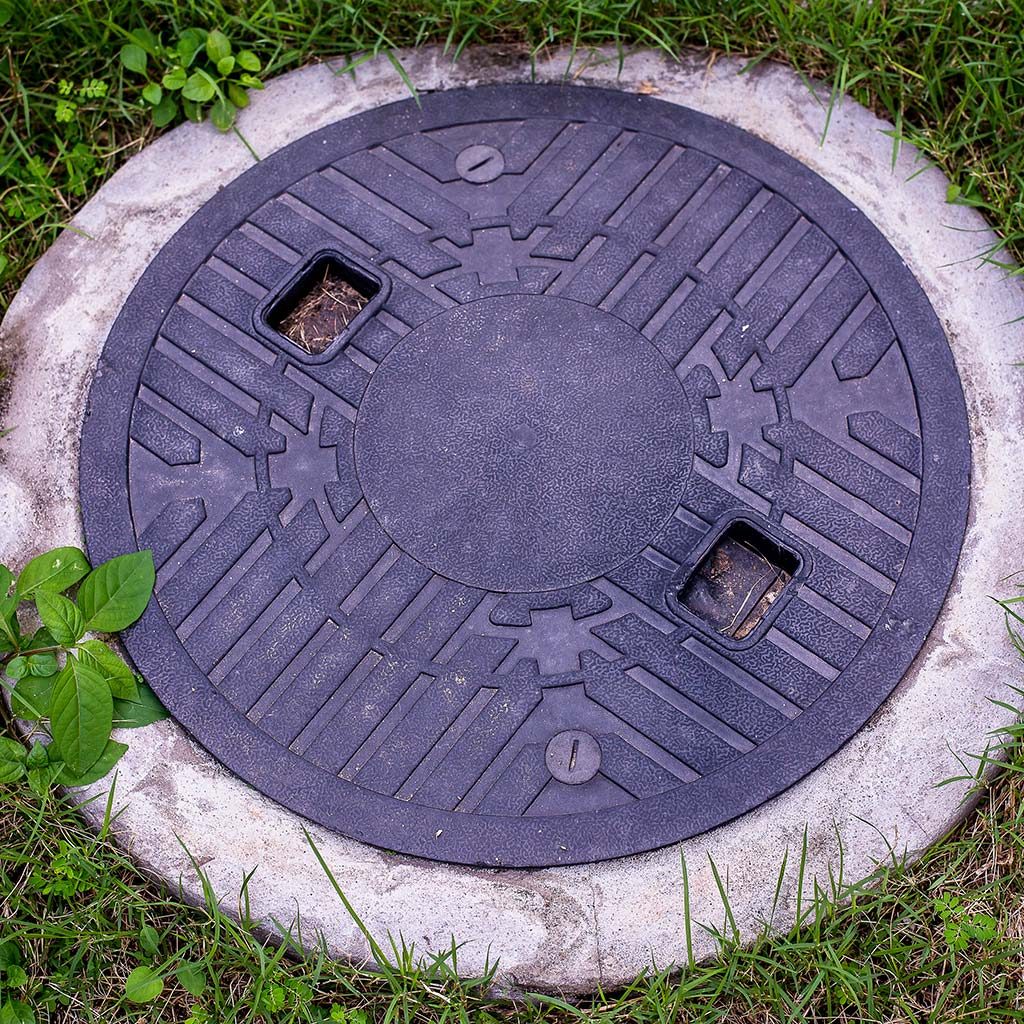
Improperly maintained septic systems and storm water runoff can transport chemicals, bacteria and viruses into a drinking water source.
Unsafe handling or storage of products such as paint, fuel, used motor oil and solvents - a small quantity can contaminate large amounts of water. This category includes hydrocarbon pipelines.
Improper use or storage of products like paint removers, adhesives, stains, oils, and metal cleaner.
Storage and land application of pesticides, commercial fertilizers, and other nutrients (e.g. manure); livestock pasturing, grazing and confinement.
Excessive salt use on roads, parking lots, and other surfaces and stored salt that may be exposed to precipitation or runoff.
Run-off from melting piles of plowed snow (e.g. in parking lots). Plowed snow is “dirty”, often contaminated by salt, oil, grease, heavy metals and other pollutants.
Taking water without replacing it and activities that prevent rain or snow from entering the ground can lead to a water shortage.
Contact Information
Jessica Mueller
Watershed Hydrogeologist /
Source Water Protection Lead
Ganaraska Region Conservation Authority
Phone: 905.885.8173 x222
Email: charris@grca.on.ca
Anita Schoenleber
Manager of Water Operations / Risk Management Official
Township of Hamilton
Phone: 905.342.2810 x147
Email: aschoenleber@hamiltontownship.ca